Northrop Grumman’s Cygnus XL Prepares to Depart the ISS
The intricate logistics that support human life aboard the International Space Station are about to reach another major milestone.
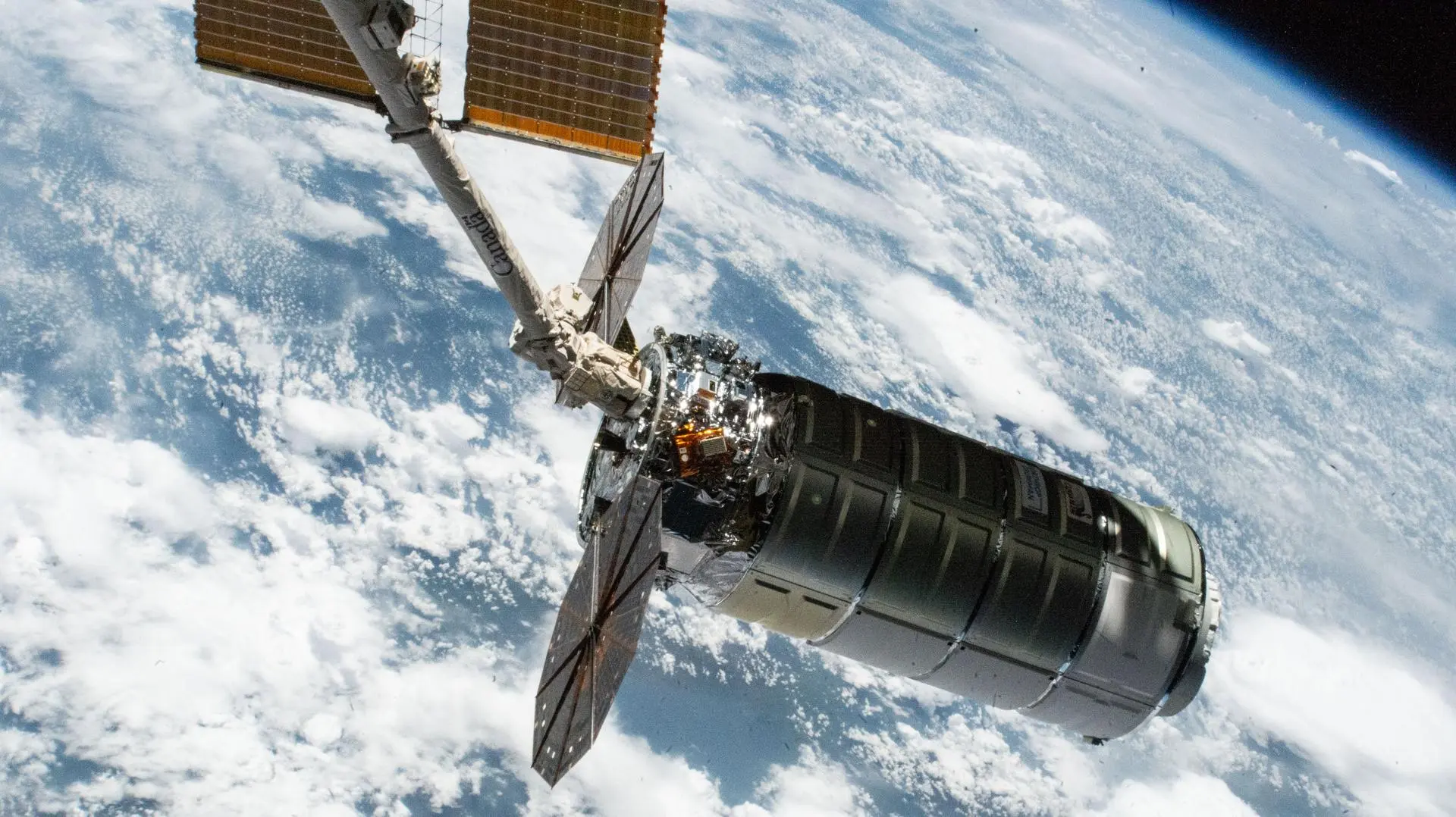
Following a successful and critical stay, Northrop Grumman’s upgraded Cygnus XL cargo spacecraft is gearing up for its departure from the orbiting laboratory.
This newly expanded variant of the Cygnus spacecraft boasts significantly enhanced payload capacity, and on this mission, it successfully delivered over 11,000 pounds of vital scientific hardware and crew supplies.
It is truly remarkable to witness our growing capability to transport such massive amounts of cargo into the unforgiving microgravity environment.
Equipped with highly efficient solar arrays, the Cygnus XL represents a significant leap in orbital engineering.
However, a successful space mission is not only about reaching the destination; it is equally about safe and responsible conclusion.
The upcoming undocking procedure is a highly coordinated effort between NASA and its international partners, demanding absolute precision.
Precision Operations with Canadarm2
Releasing a massive cargo vessel safely from the ISS requires flawless remote-controlled robotics.
Following precise commands from flight controllers on the ground, the space station’s Canadarm2 robotic arm will carefully begin the detachment process.
The Cygnus XL is currently secured to the Earth-facing port of the Unity module.
The robotic arm will delicately detach the spacecraft and maneuver it into a specific orientation for a safe release, an operation where every millimeter counts.
Throughout this critical phase, continuous monitoring of the spacecraft’s vital systems is essential.
European Space Agency (ESA) astronaut Sophie Adenot will be stationed inside the ISS, keeping a close eye on the telemetry and overall status of Cygnus as it separates.
The seamless collaboration between astronauts in orbit and engineers on the ground stands as a powerful testament to our international commitment to space exploration.
Atmospheric Re-entry and Mission Conclusion
Once released from the grips of the ISS, the Cygnus XL’s mission is not quite over.
It will fly autonomously in orbit for a brief period before executing a precise deorbit burn.
The spacecraft now serves a final, crucial purpose: it is packed with several thousand pounds of accumulated trash and unneeded hardware from the station.
By plunging back into Earth’s atmosphere, the Cygnus XL will undergo extreme aerodynamic heating, ensuring that both the spacecraft and its contents burn up safely and completely.
This intentional, destructive re-entry is a vital practice for preventing the accumulation of dangerous orbital debris and ensuring the long-term sustainability of low Earth orbit.
Since its launch aboard a SpaceX Falcon 9 rocket from Florida, this inaugural flight of the larger, more capable Cygnus has been an outstanding success, providing us with immense confidence for the future of commercial spaceflight.
Summary
This mission of Northrop Grumman’s Cygnus XL spacecraft has brilliantly showcased the reliability and advanced capabilities of modern space logistics.
From delivering a massive 11,000-pound payload to safely detaching and executing a clean atmospheric disposal, the entire operational flow has been nothing short of spectacular.
As we look toward the ambitious goals of the Artemis program and human missions into deeper space, robust and evolving transportation infrastructure like this will be absolutely indispensable.
I hold the utmost respect for the engineers, flight controllers, and astronauts whose incredible teamwork makes these remarkable feats possible every single day.