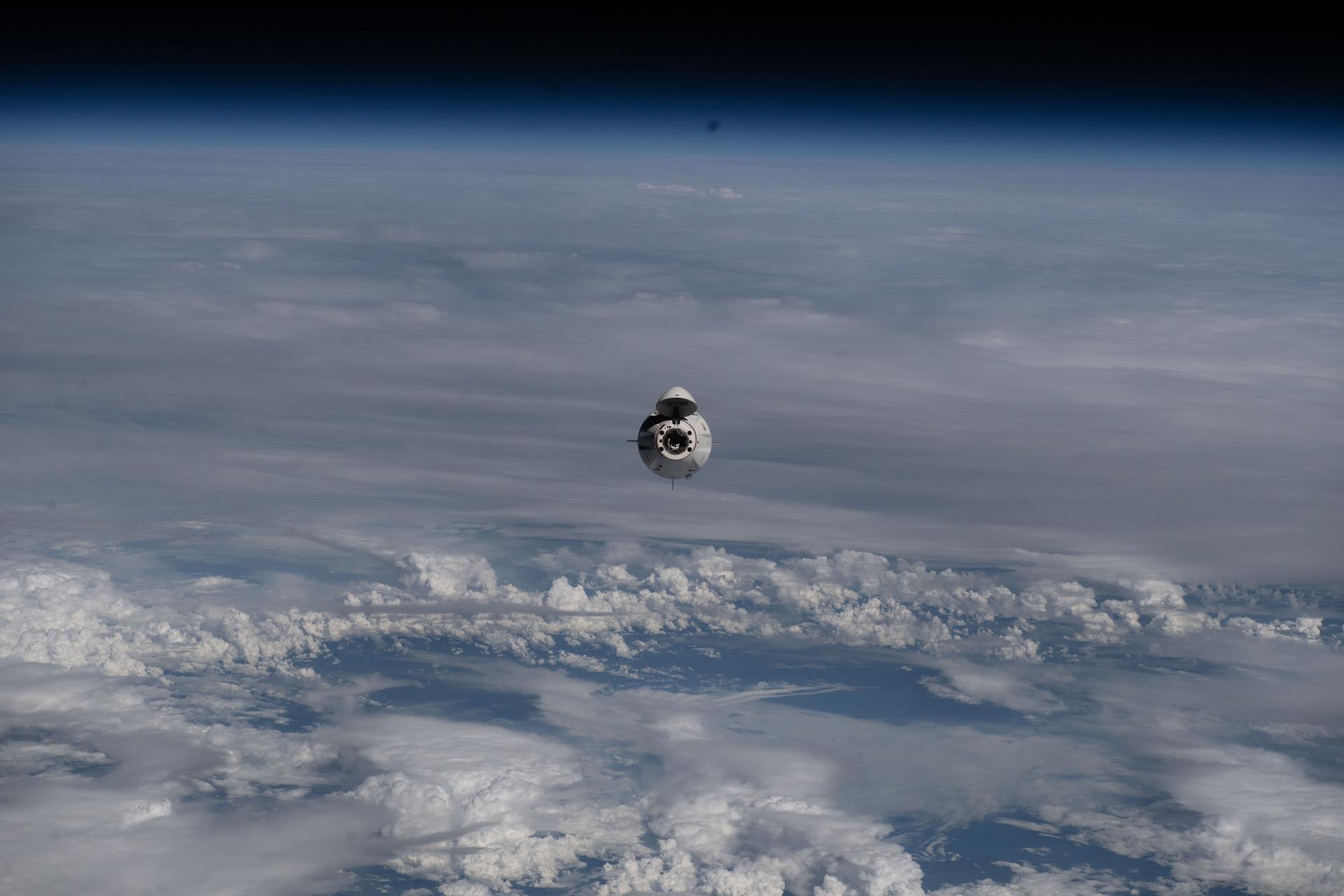
A New Dawn for Low Earth Orbit: SpaceX’s Crew-13 Successfully Launches to the ISS
The highly anticipated Crew-13 mission has successfully launched, representing another monumental leap in the ongoing collaboration between NASA and SpaceX to sustain human presence and cutting-edge research aboard the International Space Station.
Watching the Falcon 9 rocket pierce the sky from the Kennedy Space Center in Florida is a visceral experience that continues to ignite a profound sense of awe and inspiration across the globe.
This flawless launch serves as a powerful testament to the maturity and rock-solid reliability of the commercial spaceflight infrastructure that the United States has meticulously built over the past decade.
Perched atop this massive rocket is the Crew Dragon spacecraft, carrying four highly trained, multinational astronauts who are embarking on a grueling yet pivotal six-month expedition in low Earth orbit.
While the Crew Dragon operates with state-of-the-art autonomous systems, the crew must remain hyper-vigilant and prepared to take manual control at a moment’s notice, making the moments leading up to liftoff incredibly tense.
Once the spacecraft shattered the bonds of Earth’s gravity and entered the silent void of space, the floating zero-g indicator signaled their safe arrival in orbit, filling the cabin with a palpable wave of relief and joy.
In this modern era where commercial spaceflight has become routine, our access to low Earth orbit is safer and more frequent than ever before, steadily expanding the boundaries of human activity far beyond our home planet.
The successful deployment of Crew-13 is not merely a routine taxi flight, but a critical stepping stone that reinforces the operational foundation required to reach further into deep space, toward the Moon and eventually Mars.
Conquering Microgravity: Advanced Science and the Future of Deep Space Exploration
Having successfully docked with the International Space Station, the Crew-13 astronauts will waste no time diving into a rigorous schedule of groundbreaking scientific experiments and vital technology demonstrations.
The microgravity environment of the ISS, orbiting roughly 250 miles above our heads, provides a unique physical laboratory that simply cannot be replicated on Earth, offering immense potential for revolutionary breakthroughs in biology and materials science.
This specific mission is packed with critical research, including advanced medical studies analyzing the long-term effects of spaceflight on the human body, and rigorous testing of closed-loop life support systems essential for surviving deep space transit.
Particularly exciting are the experiments aimed at growing high-purity pharmaceutical crystals in weightlessness and testing next-generation spacesuit materials designed specifically to withstand the abrasive lunar surface.
Seeing these astronauts from diverse nations and backgrounds working seamlessly together in a confined space is a beautiful and powerful reminder that space exploration is a shared endeavor for the betterment of all humanity.
The sweat they shed and the terabytes of data they collect in orbit will be analyzed by countless scientists back on Earth, ultimately driving innovations that will improve medical treatments and solve complex environmental challenges down below.
Furthermore, the technical expertise and international diplomacy cultivated aboard the ISS act as the unshakeable bedrock upon which the Artemis lunar base and future crewed missions to Mars will ultimately be built.
We cannot take our eyes off this ultimate frontier, as the courageous efforts of these spacefarers continue to pave a bright and inspiring path for the future of our entire species.
Reference Link:
https://www.nasa.gov/news-release/nasas-spacex-crew-13-launches-to-international-space-station/