Charting the Future of Japan’s Space Access: Successful Launch of H3 Rocket Flight 9 with Michibiki-7 Satellite
Today, a significant milestone was achieved in Japan’s space development history.
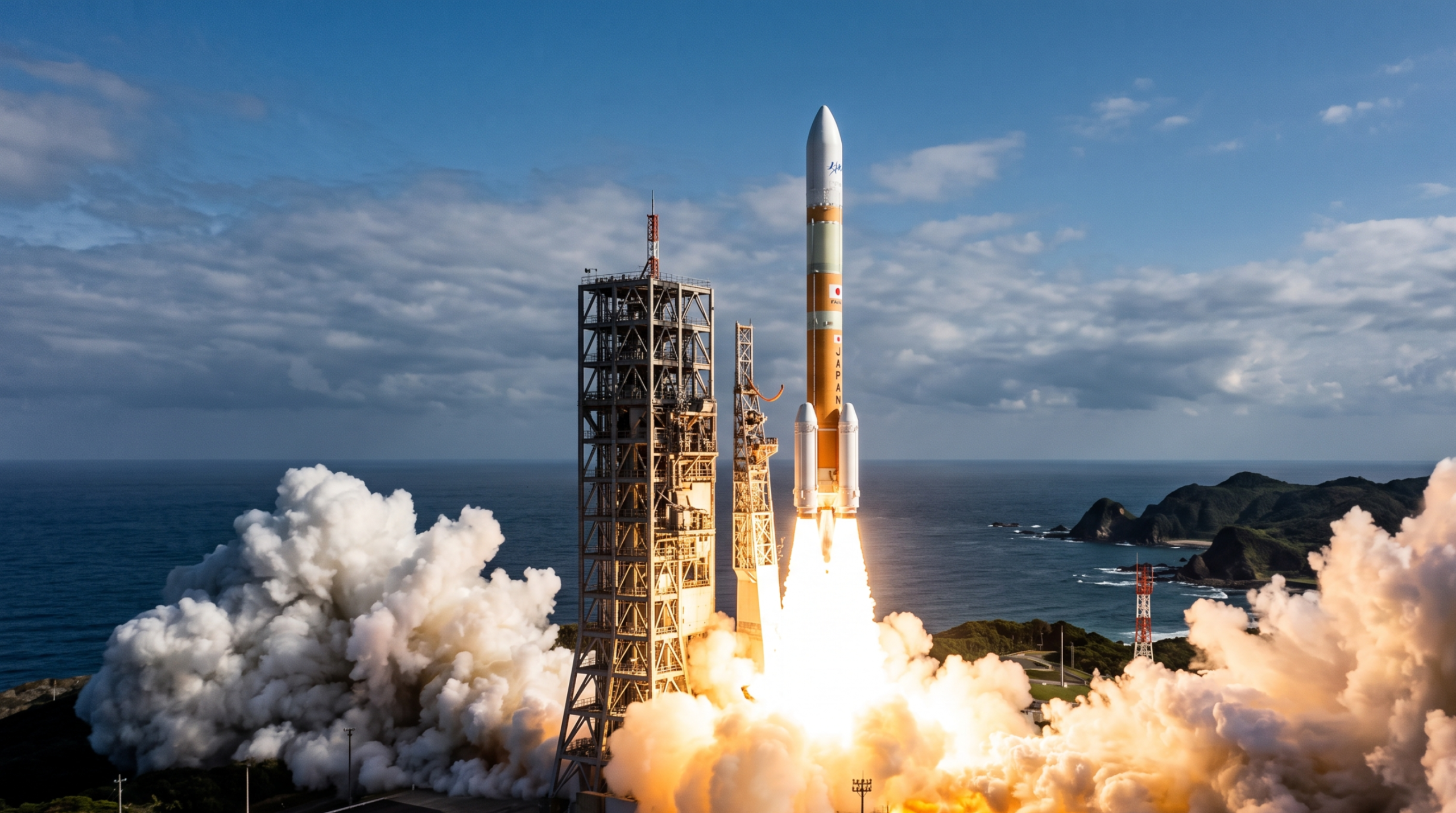
The Japan Aerospace Exploration Agency (JAXA) successfully launched its flagship heavy-lift rocket, the H3 Flight 9, from the Tanegashima Space Center.
This success is a critical step in establishing the reliability of the H3 as Japan’s primary launch vehicle.
After overcoming numerous technical challenges, the dedication and hard work of countless engineers culminated in a flawless ascent, painting a brilliant white plume across the sky.
The H3 Flight 9 followed its planned trajectory and successfully deployed its payload, the Michibiki-7 Quasi-Zenith Satellite, into its designated orbit.
The launch control center erupted in applause and relief, reaffirming the importance of Japan maintaining its independent access to space.
Developed to succeed the H-IIA, the H3 rocket aims to enhance Japan’s competitiveness in the global commercial satellite launch market.
This successful mission represents far more than just a single launch; it is a beacon of hope, illuminating the future of Japan’s entire aerospace industry.
Paving the Way for Precision: Michibiki-7 and the Future of Positioning
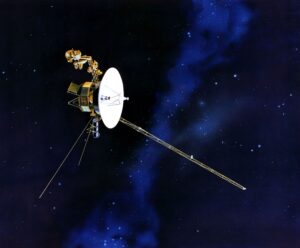
The Michibiki-7 satellite, placed into orbit by the H3 Flight 9, is a new addition to the Quasi-Zenith Satellite System (QZSS), often referred to as the Japanese version of GPS.
The primary objective of the QZSS is to complement and augment the U.S. GPS constellation, providing more stable and highly accurate positioning, navigation, and timing services over Japan and the surrounding region.
The positioning information provided by Michibiki can achieve an astonishing accuracy of just a few centimeters, a drastic improvement over the several meters of error typical of conventional GPS.
This high-precision data is highly anticipated as a foundational technology for next-generation social infrastructure, including the realization of fully autonomous driving, the development of drone-based logistics systems, and the operation of unmanned tractors in smart agriculture.
With the successful insertion of Flight 7, the QZSS continues its progress toward an independent seven-satellite constellation.
This success brings the high-precision positioning society a step closer, promising to not only improve the accuracy of the smartphones and car navigation systems we use daily but also to revolutionize industries across the board.
Summary
The successful launch of the H3 Flight 9, carrying the Michibiki-7 satellite, has powerfully advanced the reliability of Japan’s space transportation technology and the realization of a highly advanced future societal infrastructure.
As we reflect on the journey of the engineers whose hard work led to this magnificent achievement, forged by overcoming many challenges, let us continue to watch over the evolving future of space exploration together.