What is Astrobiology? The Quest for Cosmic Life
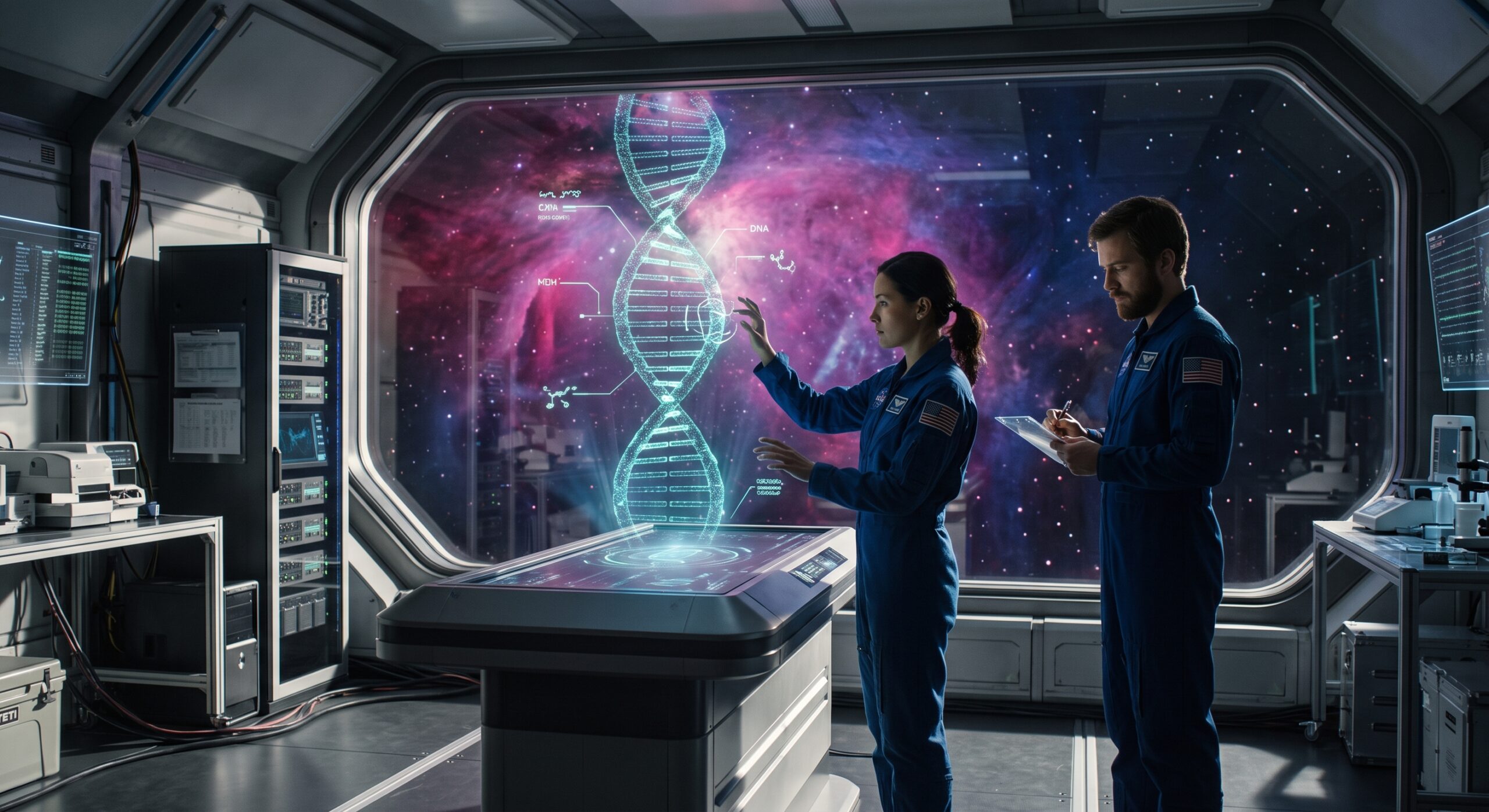
Astrobiology is a profoundly multidisciplinary field dedicated to studying the origins, evolution, and future of life in the universe.
By bringing together expertise from astronomy, biology, geology, and chemistry, we are tackling one of humanity’s greatest mysteries regarding whether life exists beyond Earth.
Once considered nothing more than a pipe dream found only in science fiction novels, the search for cosmic life has evolved into a highly realistic scientific endeavor driven by cutting-edge telescopes and space probes.
For example, data indicating the presence of organics and water, the very building blocks of life, are constantly being discovered, making the possibility of finding extraterrestrial life more tangible than ever before.
We are currently standing at a historic turning point where we must look beyond the confines of our home planet and redefine the very concept of life on a cosmic scale.
Celestial Bodies Harboring the Potential for Extraterrestrial Life
Even within our own solar system, there are several fascinating celestial bodies that harbor the potential to support life.
Some of the most prominent candidates include Mars, Jupiter’s moon Europa, and Saturn’s moon Enceladus.
Mars retains clear geological evidence that liquid water once flowed across its surface, leading scientists to actively debate the possibility that microbes might still survive deep underground.
Meanwhile, Europa and Enceladus are covered by incredibly thick crusts of ice, but researchers strongly suspect that vast, liquid oceans exist beneath their frozen exteriors.
In the case of Enceladus in particular, observations have revealed geyser-like plumes of water and organic compounds erupting from deep icy fractures directly into space.
Even in these extreme and harsh environments, it is entirely plausible that unique ecosystems could thrive, much like those found around hydrothermal vents in Earth’s deepest oceans.
Inspiring the Next Generation Through Space Education
To further advance our exploration of the vast cosmos, it is absolutely essential to convey the wonders of science to children and nurture their inquisitive minds.
Today, a wide variety of educational resources are being thoughtfully designed to make complex astrobiological concepts both accessible and enjoyable for learners of all ages.
For instance, coloring pages and art activities centered around scientific themes might seem like simple play at first glance, but they actually serve as powerful tools to stimulate a child’s imagination.
Envisioning the appearance of unknown planets or alien microbes through the use of color is often the very first step toward developing critical scientific thinking.
These creative educational initiatives play a crucial role as a bridge connecting highly specialized scientific data with the general public.
In order to unravel the mysteries of life scattered throughout the universe, we must share our passion for science across generations and continue chasing our cosmic dreams together as humanity.
Summary
Just imagining the amazing life forms that might be out there in the universe truly fills our hearts with boundless excitement.
Let’s keep enjoying this wonderful journey together as we uncover more cosmic mysteries and beautiful discoveries.
Reference Link:
NASA Astrobiology Learning Resources