Crew-11 Concludes Its Mission as Astronauts Prepare for the Next Leap
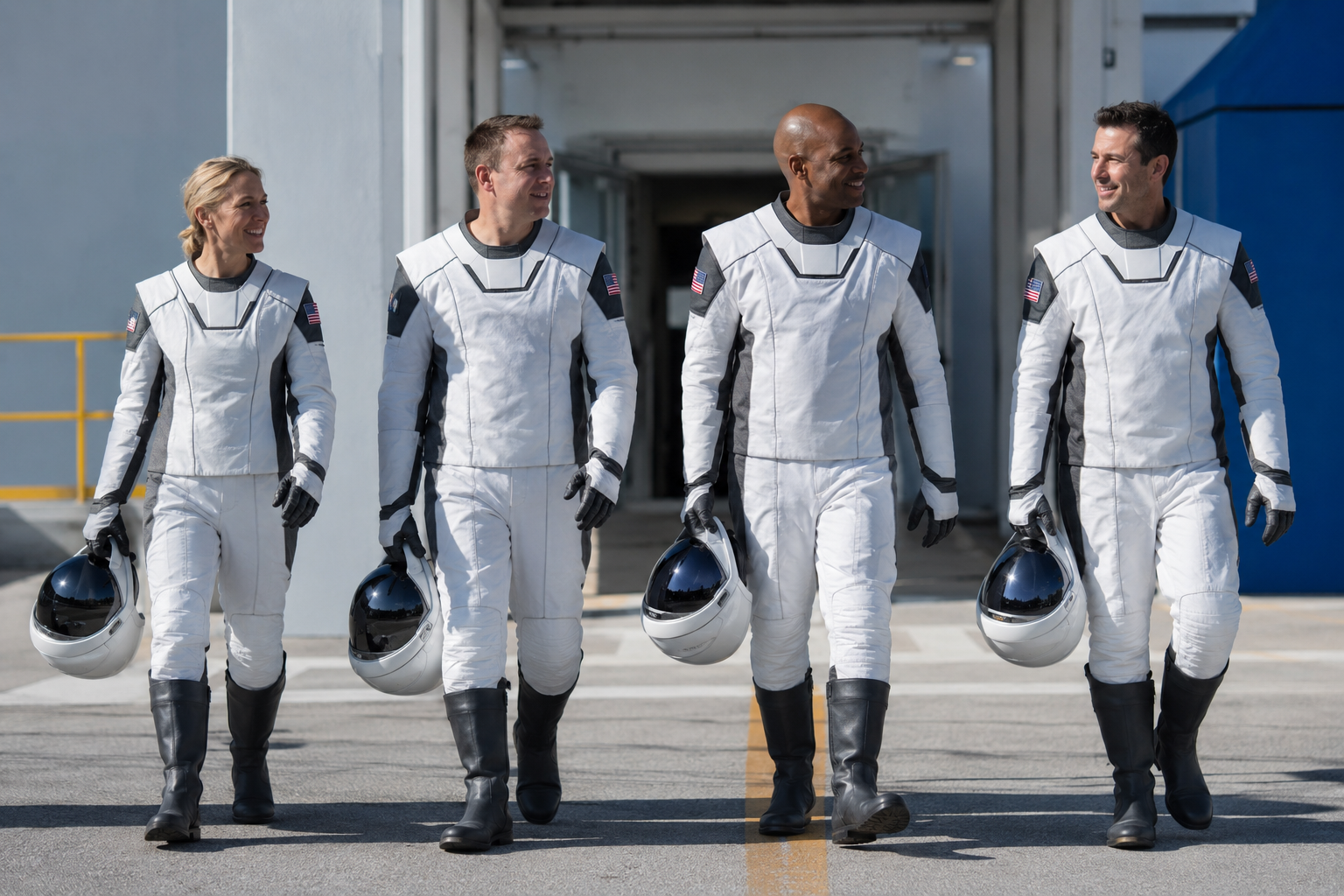
Having completed an extensive 167-day mission aboard the International Space Station, the members of SpaceX’s Crew-11 are now ramping up their post-flight activities on Earth.
The international team, comprising NASA astronauts Zena Cardman and Mike Fincke, Roscosmos cosmonaut Oleg Platonov, and JAXA astronaut Kimiya Yui, safely splashed down earlier this year.
During their time in orbit, the crew conducted numerous scientific experiments, gathering invaluable data that benefits life sciences on Earth and informs future human space exploration.
This triumphant mission serves as a powerful testament to the enduring strength of international partnerships, highlighting how critical global cooperation is in the realm of space development.
Looking ahead, NASA Headquarters will host a public event featuring the Crew-11 members on June 1, where they will share their first-hand experiences and the cutting-edge insights gained in the extreme environment of space.
Understanding how the human body and advanced technologies adapt to microgravity is an absolutely essential process as we set our sights on returning to the Moon and eventually reaching Mars.
Forging New Alliances: Japan-Italy Space Talks and HTV-X1 Success
The cooperative relationship in space exploration between Japan and Italy has officially entered an exciting new phase.
The first-ever Japan-Italy Space Consultation took place in Tokyo on May 28 and 29, 2026, solidifying broad collaborations across security, civil applications, and industrial partnerships.
Strengthening ties with Italy, a major player in European space initiatives, presents a perfect opportunity for both nations to complement each other’s technological capabilities in upcoming exploration missions.
Adding to the positive momentum for JAXA, the agency’s new uncrewed cargo transfer vehicle, HTV-X1, successfully completed all its extravehicular missions and re-entered the Earth’s atmosphere over the South Pacific on May 27.
Beyond its primary task of resupplying the orbital outpost, HTV-X1 flawlessly executed a variety of technology demonstrations, including the deployment of microsatellites and tests of next-generation space solar cells.
These achievements strongly validate the spacecraft’s potential to serve as an independent orbital testing platform, paving the way for innovative operations even after the current space station is eventually retired.
Commercial Pioneers Look Toward the Moon, Mars, and Beyond
While SpaceX continues to execute flawless missions in low Earth orbit, the company is aggressively pushing forward with ambitious plans to expand human presence into deep space.
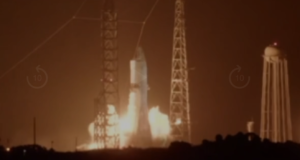
In late May, a Falcon 9 rocket successfully lifted off from Vandenberg Space Force Base, deploying an additional 24 Starlink satellites into orbit.
This steady cadence of successful launches not only builds the infrastructure for global high-speed internet but also serves as a crucial funding engine for the development of the next-generation Starship megarocket.
Leveraging the immense power of Starship, the company recently announced groundbreaking commercial flyby missions that will send private citizens to both the Moon and Mars.
The Mars flyby mission will see an entrepreneur embark on a daring two-year round trip, marking a historic leap in private spaceflight.
Similarly, the lunar circumlunar mission will include the world’s first commercial space tourist, signaling that deep space exploration—once the exclusive domain of government space agencies—is now being actively pioneered by the commercial sector.
Summary
The recent milestones achieved by NASA, SpaceX, and JAXA highlight a rapidly evolving era of deep space exploration and robust international collaboration.
As advanced technologies are validated and commercial deep-space flights become a reality, our collective journey to the Moon, Mars, and beyond is closer than ever.