Falcon Heavy Successful Launch: Nancy Grace Roman Space Telescope Opens a New Era
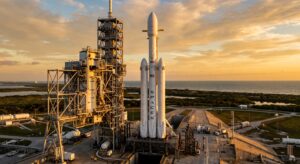
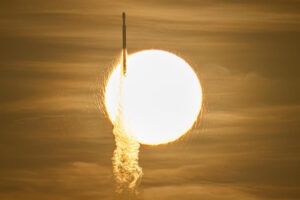
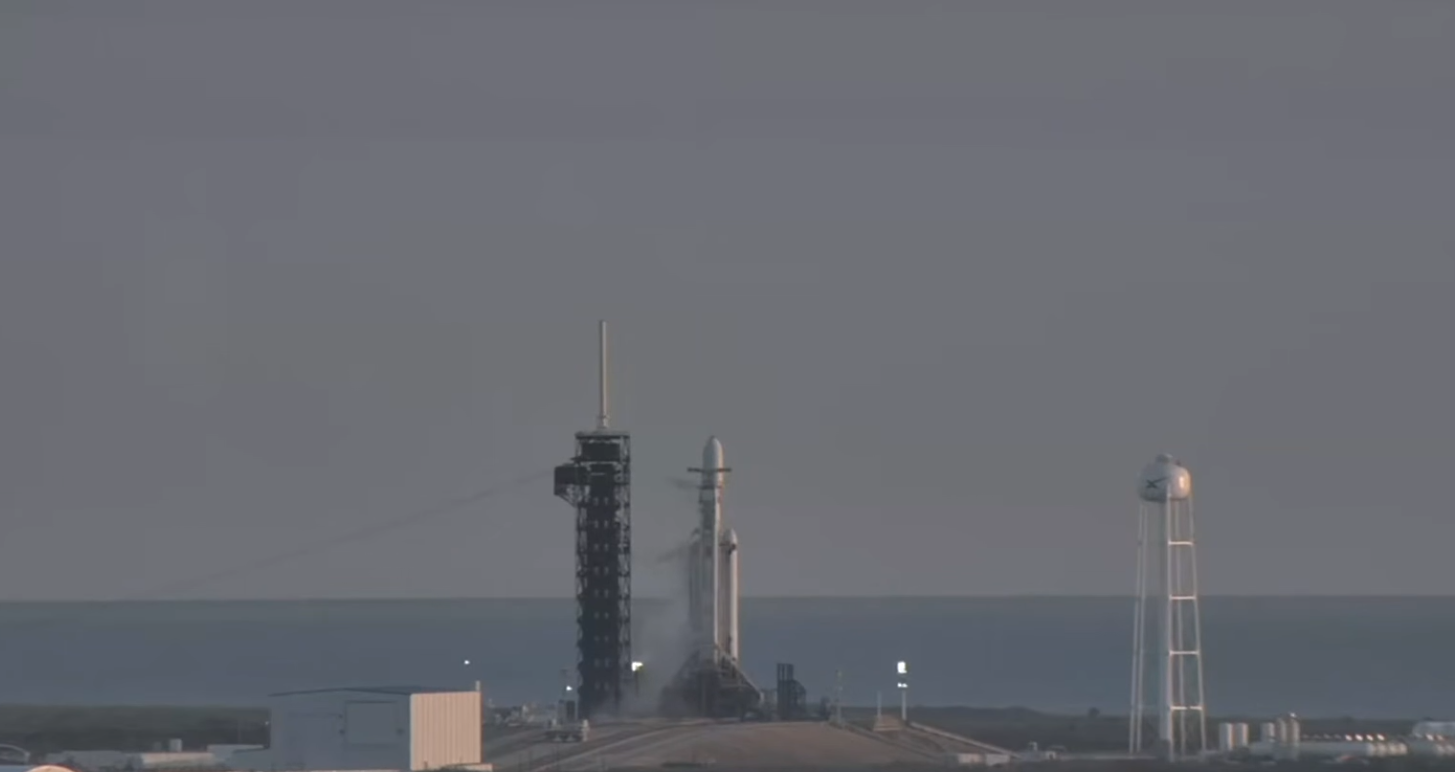
With a thunderous roar echoing from the Kennedy Space Center, SpaceX’s Falcon Heavy sliced through the sky, successfully propelling the Nancy Grace Roman Space Telescope onto its historic journey into deep space.
Powered by the immense thrust of its three boosters, the heavy-lift rocket executed the orbital insertion sequence flawlessly, culminating in a spectacular launch success.
This monumental event establishes a new milestone in the rich history of astronomy, building upon the profound legacies of the Hubble and James Webb space telescopes.
The defining feature of the Roman Space Telescope is its unparalleled ability to capture a field of view more than 100 times larger than Hubble’s, all while maintaining the same exquisite optical resolution.
While previous observatories have functioned like cosmic microscopes peering deeply into specific, narrow patches of the sky, Roman acts as a breathtaking wide-angle lens designed to sweep across vast panoramas of the universe.
This extraordinary observational power will enable scientists to map the distribution of hundreds of millions of galaxies and investigate the true nature of both dark matter and the dark energy responsible for the universe’s accelerating expansion.
Furthermore, the telescope will pioneer ambitious scientific endeavors, such as utilizing gravitational microlensing to discover thousands of distant exoplanets and testing advanced coronagraph technology to block starlight and directly image worlds beyond our solar system.
Currently en route to the Sun-Earth Lagrange Point 2 (L2), located approximately 1.5 million kilometers from our planet, the Roman observatory will soon begin a rigorous commissioning phase before commencing its full science operations.
Delivered safely to the cosmos by the Falcon Heavy successful launch, this giant new eye on the universe promises to revolutionize our search for Earth-like planets and uncover hidden celestial phenomena, igniting a new chapter of cosmic exploration.