From the strategic interagency collaborations driving the development of humanity’s first fission-powered spacecraft destined for deep space to the strict safety protocols ensuring its reliable operation beyond Earth’s orbit, we will explore the latest factual updates surrounding NASA’s highly anticipated SR-1 Freedom mission.
Developing the First Fission-Powered Spacecraft for Deep Space Exploration and the SkyFall Mars Mission
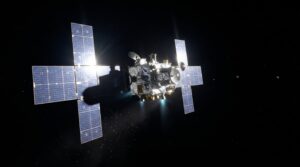
Destined to become humanity’s first fission-powered spacecraft to travel beyond Earth’s orbit, NASA’s SR-1 Freedom is currently making significant progress on its critical nuclear power module as the agency accelerates development toward a planned late 2028 launch to demonstrate groundbreaking nuclear electric propulsion technologies in deep space.
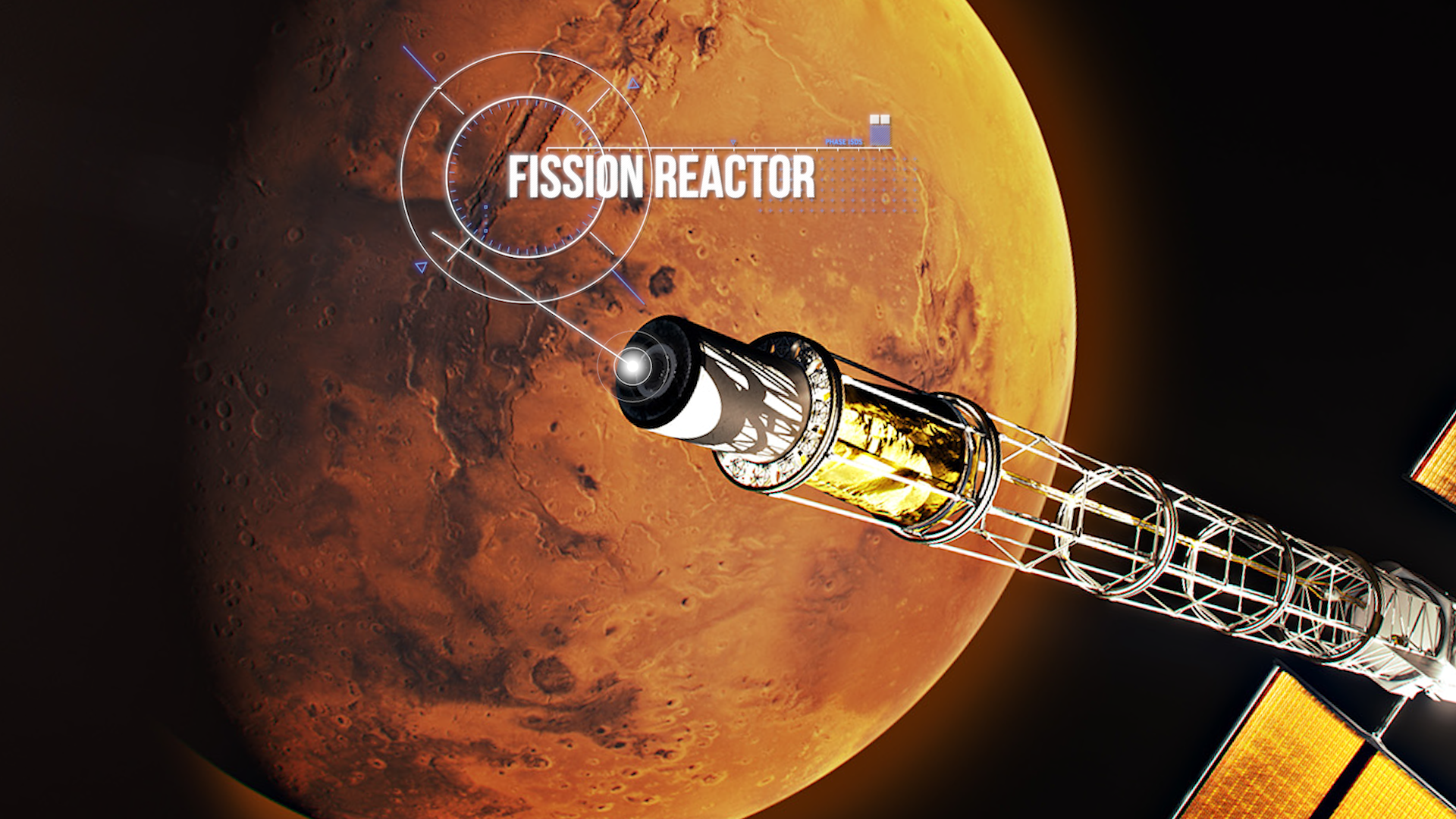
Furthermore, Sierra Lobo Incorporated has been officially selected to provide the closed Brayton cycle power conversion system that will effectively transform thermal energy generated by the fission reactor into the massive electrical power required for the advanced propulsion systems to operate continuously during the long interplanetary transit.
Additionally, this sophisticated power conversion technology will be seamlessly integrated with the actual fission reactor being designed by the Department of Energy’s Idaho National Laboratory, ensuring that the entire nuclear module meets the most rigorous interagency safety standards by remaining completely inactive until the spacecraft safely leaves Earth’s orbit.
Ultimately, when this revolutionary spacecraft reaches its destination, it will deploy a scientific payload known as SkyFall consisting of three advanced Mars helicopters evolved from the Ingenuity design, successfully paving the way for next-generation fission systems capable of sustaining future lunar base operations through prolonged periods of total darkness.