The Dawn of a New Era in Exoplanet Discovery
The depths of the cosmos hold countless worlds waiting to be found.
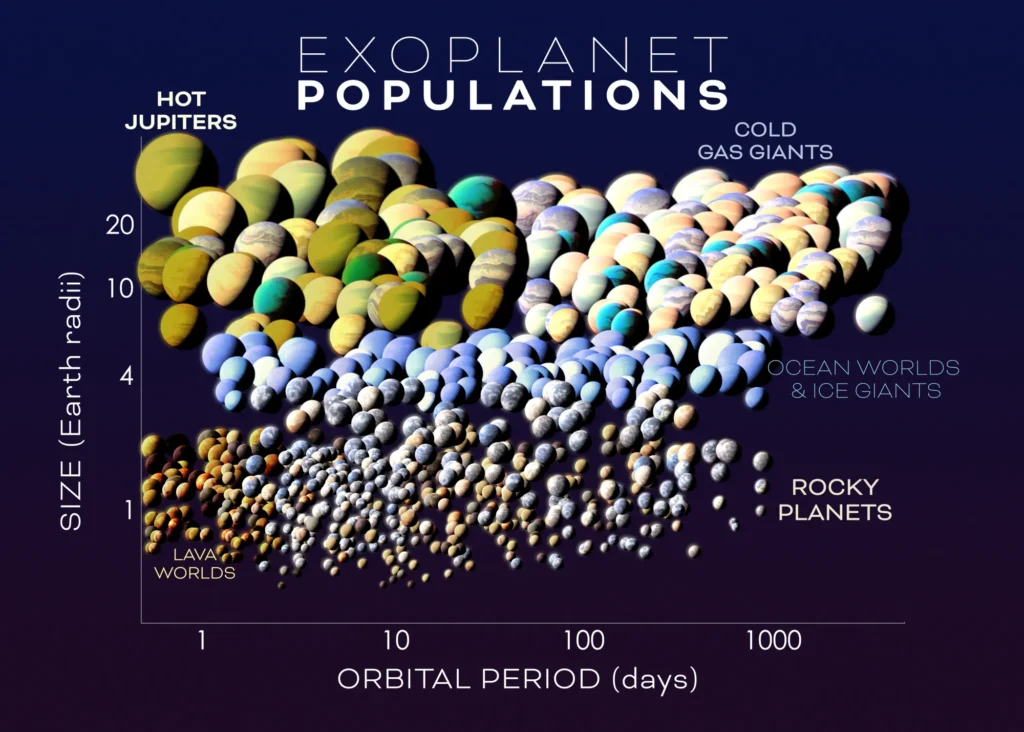
NASA’s Nancy Grace Roman Space Telescope is set to revolutionize our understanding of exoplanets by discovering around 100,000 new worlds.
While past missions have discovered around 6,300 planets, they focused primarily on our immediate galactic neighborhood.
Roman will cast its gaze far into the unexplored habitats of the Milky Way.
This paradigm shift will allow scientists to see how planet formation varies across different environments.
Researchers are already utilizing machine learning and advanced simulations to ensure that they can process the immense flood of data the moment the telescope begins its survey.
Unveiling Galactic Environments through Double Methods
Roman will achieve its ambitious goals by combining two distinct planet-hunting techniques.
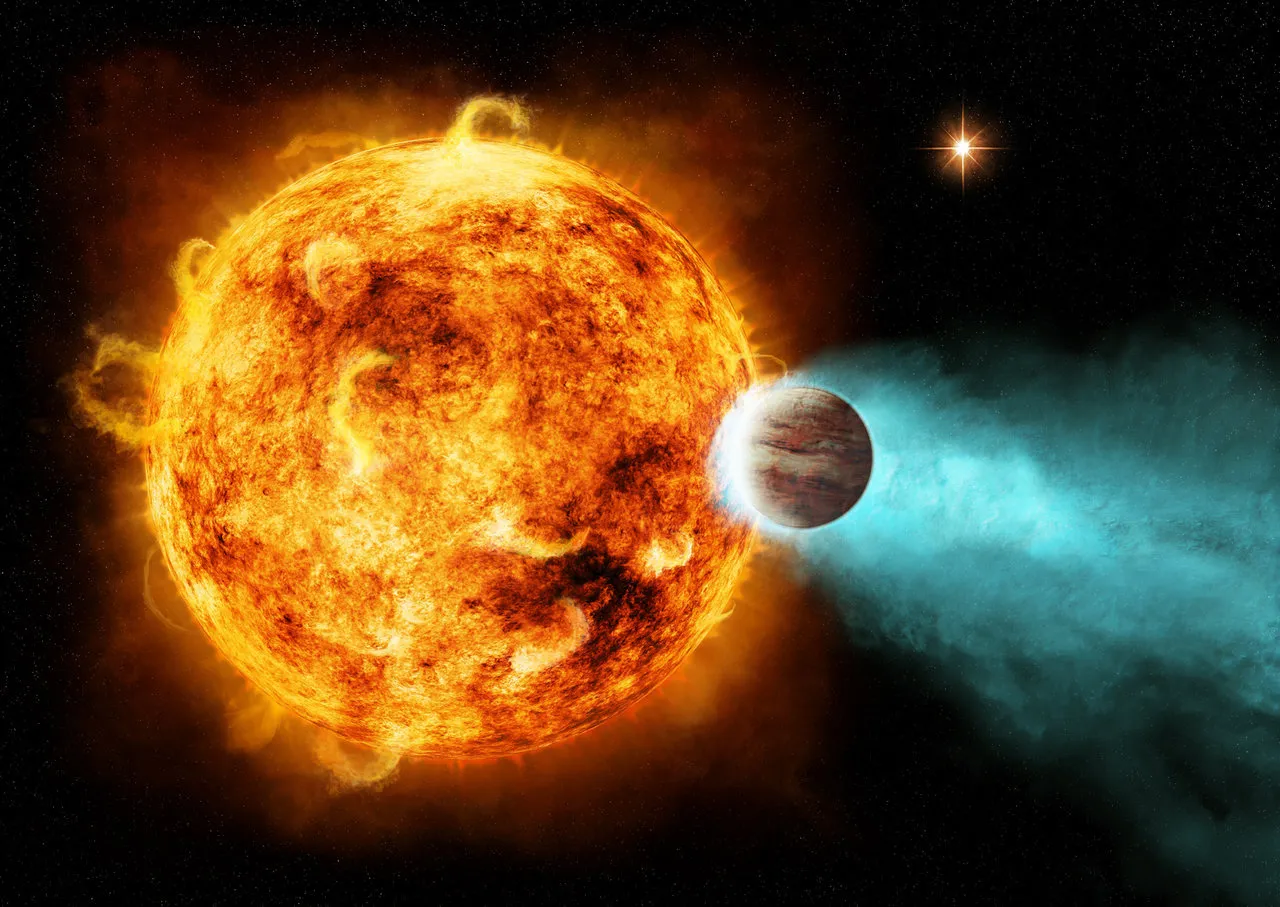
The first is the transit method, which monitors the slight dimming of a star as a planet passes in front of it.
This method is projected to reveal about 100,000 scorching giant planets.
The second approach is gravitational microlensing, which measures how the gravity of a foreground system magnifies the light of a distant background star.
Microlensing is uniquely suited to discovering smaller worlds like Earth or Mars in wider orbits, including those within their stars’ habitable zones.
By pairing these methods, astronomers will gain a comprehensive look at the planetary demographics of our galaxy, including a broad statistical view of exoplanet climates and atmospheric winds.
Piercing the Galactic Bulge to Trace Our Solar Roots
A core component of Roman’s mission will focus on the galactic bulge, the densely packed heart of the Milky Way.
Our solar system currently resides about 27,000 light-years away from the center, but scientists believe it formed much closer to the core before migrating outward.
The central hub is rich in heavy elements forged by successive generations of ancient stars, creating a distinct chemical recipe compared to the galactic fringes.
Since planets form from the same materials as their host stars, these compositional differences could lead to entirely unique types of worlds.
By sampling hundreds of millions of distant stars, Roman will determine just how common planetary systems like our own are across the cosmic landscape.
Summary
The Nancy Grace Roman Space Telescope’s expansive survey will redefine our knowledge of the cosmos and clarify where we fit within the universe.
It is incredibly thrilling to anticipate the thousands of new worlds that will soon be revealed across the starry fabric of our galaxy.
References:
https://www.nasa.gov/missions/roman-space-telescope/nasas-roman-mission-preps-to-unveil-new-populations-of-faraway-worlds/