Dawn of a New Era in Underground Exploration
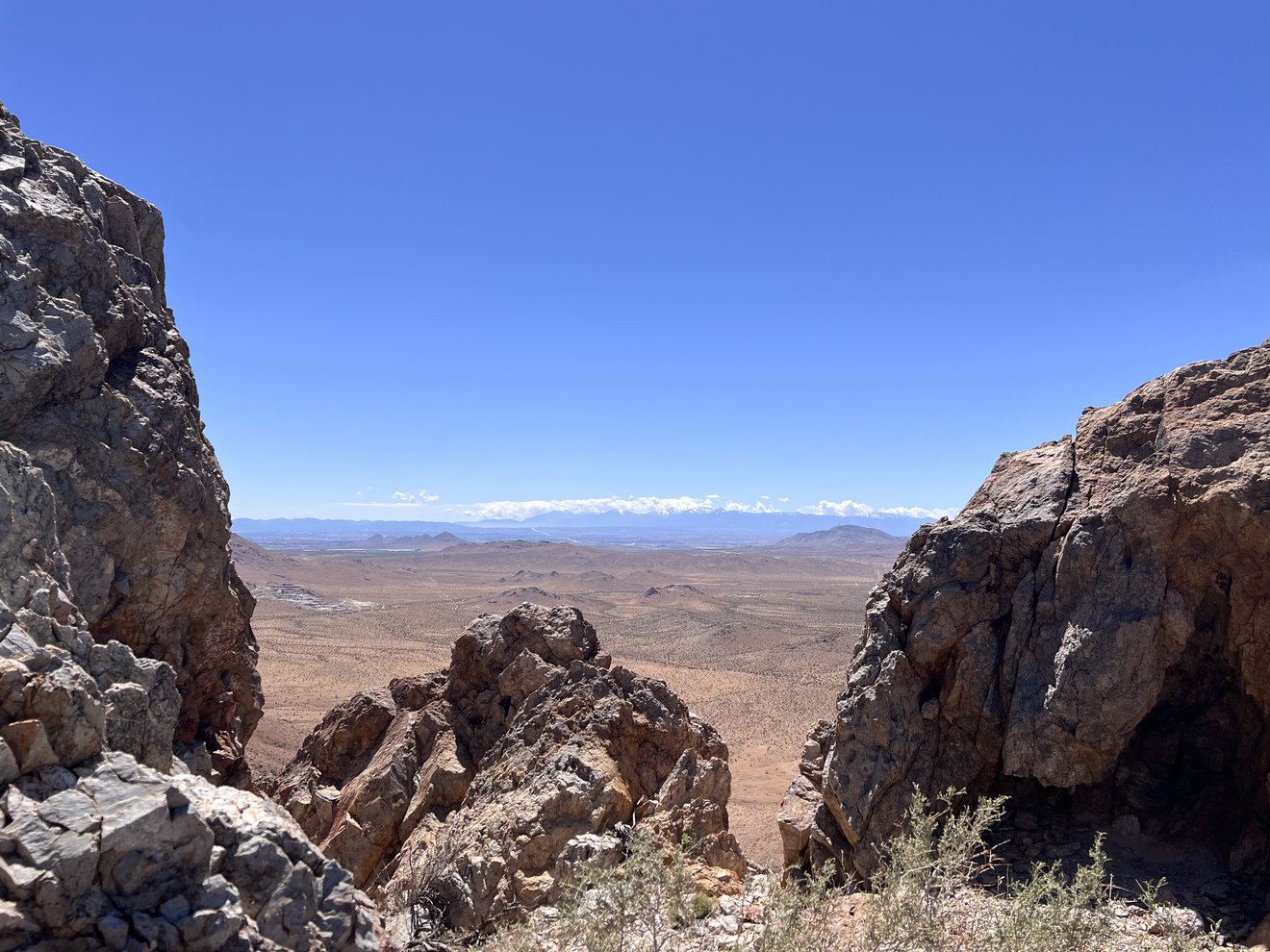
Scientists from the Jet Propulsion Laboratory and the U.S. Geological Survey recently conducted a fascinating geological survey in California’s Mojave Desert.
They were not looking for gemstones, but rather a mineral called topaz that was detected by an aircraft flying high above.
The presence of topaz is a strong clue indicating the potential for a massive underground copper deposit known as a porphyry copper system.
Copper is the third most consumed metal in the world, essential for everything from modern infrastructure to clean energy technologies like solar panels.
It is truly remarkable that advanced sensor technologies originally developed for space exploration are now being used to identify critical resources hidden right beneath our feet.
The Magical Eye Mapping Minerals
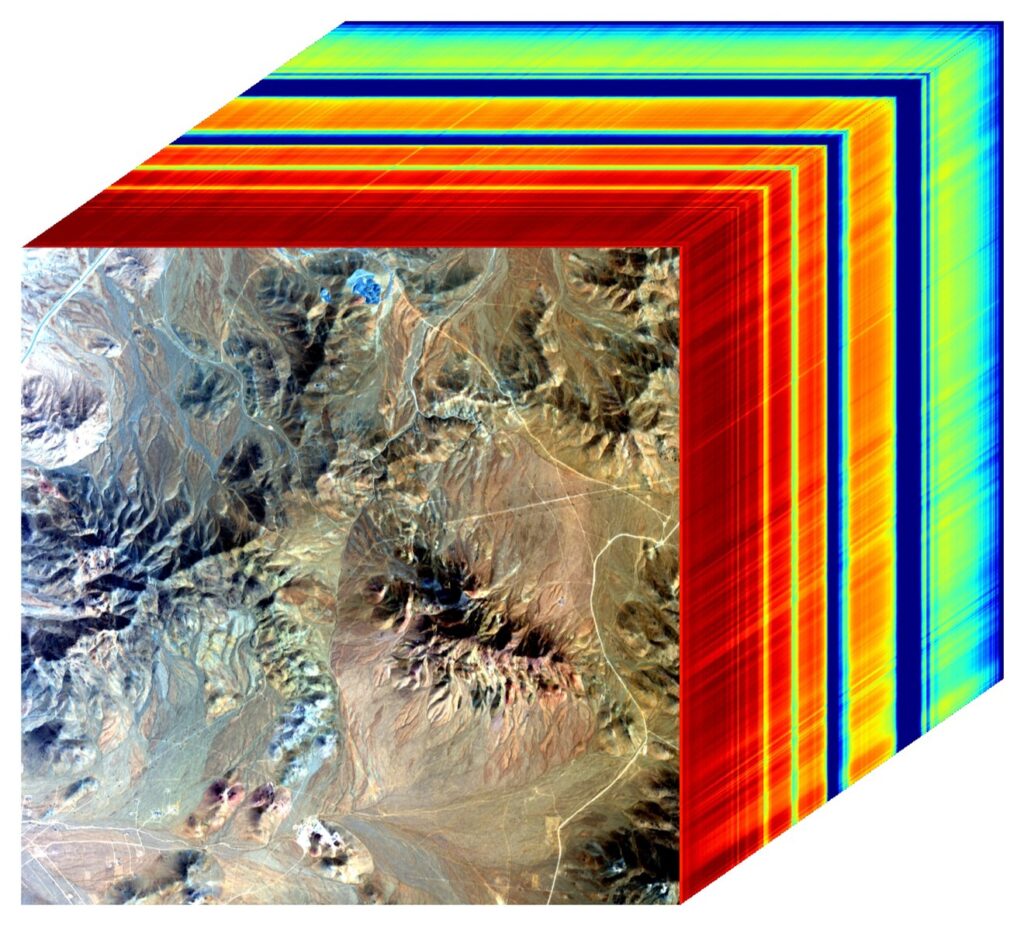
The signal for topaz in the Mojave Desert was captured by an airborne visible and infrared imaging spectrometer developed by NASA.
This sensor meticulously analyzes the wavelengths of sunlight reflected off the Earth’s surface, accurately reading the unique spectral fingerprints of various materials.
This technology originated from pioneering research and subsequently evolved into sensors for spacecraft exploring the Moon, Mars, and other rocky bodies in our solar system.
Today, the latest model inheriting this legacy is mounted on high-altitude aircraft to map unexplored mineral resources across the nation.
By scanning vast areas at once from the stratosphere at an altitude of about 65,000 feet, it paints a hidden compositional map of the Earth that human eyes and ordinary cameras could never perceive.
The Importance of Ground-Level Science
No matter how precise high-tech remote sensing data from the sky may be, painstaking fieldwork remains essential for final verification.
The research team hiked up steep, rocky terrain carrying heavy equipment and sample bags, using rock hammers and hand lenses to physically crack open rocks and gather geological evidence.
They refer to this process as geological crime scene investigation, exposing the sparkling cores hidden deep within weathered red rocks to reconstruct the history of volcanic activity and tectonic shifts in the region.
Confirming the presence of topaz does not immediately guarantee a deep underground copper deposit, as further investigation using ground-penetrating radar and other tools is required.
However, the fact that space technology has provided a completely new lead in the heavily prospected deserts of Southern California is a dramatic breakthrough, much like finding a needle in a haystack.
Summary
It is wonderful to see how advanced space observation technologies are directly benefiting resource discovery here on our home planet.
The blend of high-tech aerial scanning and hands-on, muddy fieldwork shows how we can work together to build a sustainable future.
Reference Link:
https://www.jpl.nasa.gov/news/nasa-usgs-scientists-go-rock-hounding-in-californias-high-desert/?utm_source=iContact&utm_medium=email&utm_campaign=1-nasajpl&utm_content=gemx20260611